Real-Time Metabolic Feedback from Wearable Tech Revolutionizes Health and Fitness
Sarah Lee
February 6, 2026
Real-Time Metabolic Feedback from Wearable Tech
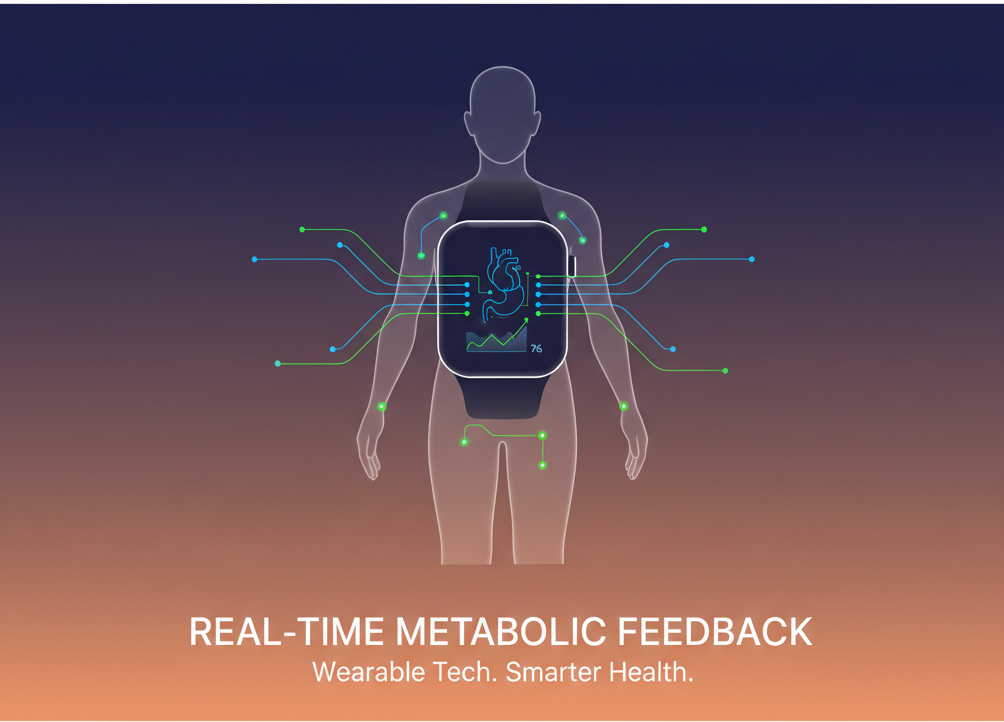
Imagine you're midway through a workout, drenched in sweat, and your smartwatch buzzes to alert you that your body is burning fat at an optimal rate. This kind of real-time metabolic feedback is no longer the stuff of science fiction—it's becoming a reality, thanks to advancements in wearable technology. The ability to track metabolic rates and provide instant feedback offers a transformative approach to health and fitness that could change how individuals engage with their nutrition and exercise regimens.
Key Takeaways
- Wearable devices can provide real-time metabolic data that allows users to track their calorie expenditure accurately.
- Continuous glucose monitoring systems have a slight delay in data, with interstitial fluid glucose levels lagging behind blood glucose by 5-15 minutes.
- Real-time feedback from wearables can enhance decision-making regarding diet and exercise, promoting healthier lifestyle choices.
- Wearable technology can help users understand their unique metabolic responses, leading to personalized nutrition plans.
- The integration of data from wearables with mobile health applications can facilitate better health management.
- Users can track their progress over time, adjusting goals based on real-time feedback for improved performance.
- Research indicates that real-time metabolic data can lead to higher engagement in fitness and nutrition programs.
Optimizing Diet and Nutrition
Wearable devices equipped with advanced sensors are transforming how we approach diet and nutrition. These devices provide real-time metabolic data, allowing users to monitor their calorie intake and expenditure with remarkable precision. For instance, when someone eats a meal, their wearable can help them understand how that meal affects their metabolism in real-time. This information enables users to make informed decisions about their dietary habits, potentially leading to healthier choices and better weight management.
Imagine having the ability to see how your body reacts to a piece of cake or a protein shake immediately. This level of insight can help individuals tailor their diets to optimize energy levels and overall health. By understanding metabolic responses, users can identify which foods fuel their performance and which might hinder it.
The Importance of Real-Time Feedback
Real-time feedback is crucial for adapting health and fitness plans. For example, continuous glucose monitors, a staple in many wearables, provide insights into blood sugar levels. However, it’s essential to understand that these levels do not reflect immediate changes; they can lag by 5-15 minutes. This delay means that users must interpret the data carefully, considering the timing of their meals and activities.
Real-time feedback empowers users to adjust their behaviors on the fly. If a workout isn't yielding the expected metabolic response, individuals can change their approach—whether that's modifying the intensity or duration of their exercise. The immediacy of this data fosters a proactive approach to fitness.
Enhancing Personalization with Wearable Tech
One of the most exciting aspects of wearable technology is its ability to provide personalized insights. Every individual has a unique metabolic fingerprint, influenced by genetics, lifestyle, and even the microbiome. Wearables can capture and analyze these variations, tailoring recommendations to fit specific needs.
For example, two people might consume the same meal, but their metabolic responses could differ significantly. Wearables can help users track these differences over time, allowing for the development of customized nutrition plans that align with their specific metabolic responses. This level of personalization is invaluable for those looking to enhance their performance or manage health conditions like diabetes.
Integrating Data for Better Health Management
The integration of wearable data with mobile health applications creates a more comprehensive health management system. By syncing data from wearables with mobile platforms, users can visualize trends over time, making it easier to identify patterns in their metabolic responses. This holistic view enables informed decision-making and encourages adherence to fitness and nutrition plans.
Furthermore, engaging with this data can lead to higher motivation levels. For many, seeing progress in real-time—whether it's improved metabolic rates or more stable glucose levels—provides the encouragement needed to stick with their health goals. It turns health management into an interactive experience rather than a passive one.
Conclusion
Real-time metabolic feedback from wearable technology is not just a trend; it's a paradigm shift in how we approach health and wellness. As these devices continue to evolve, the potential for improved health outcomes is immense. By harnessing the power of real-time data, individuals can take charge of their health, make informed decisions, and ultimately lead healthier lives. The future of fitness and nutrition is here, and it’s more personalized and responsive than ever before.