Cycle Syncing: The Rising Wellness Trend of 2026
February 6, 2026
Cycle Syncing: The Rising Wellness Trend of 2026
Imagine a world where your workouts, diet, and self-care routine align perfectly with your body's natural rhythms. Enter cycle syncing, a wellness trend that has gained remarkable traction in 2026. As women increasingly seek holistic approaches to health, this method promises to harmonize daily activities with hormonal cycles, offering personalized solutions to enhance well-being.
Key Takeaways
- Cycle syncing is a lifestyle approach that aligns daily activities with the menstrual cycle.
- Research shows 76% of individuals aspire to be fit and healthy, making cycle syncing a relevant trend.
- Cycle syncing influences nutrition, exercise, and self-care strategies based on hormonal fluctuations.
- Women report feeling more empowered, balanced, and energetic when following cycle syncing practices.
- This trend encourages a departure from one-size-fits-all wellness models.
- Cycle syncing is supported by a growing body of anecdotal evidence and emerging scientific research.
- Experts advocate for intuitive listening to one's body as foundational to successful cycle syncing.
Understanding Cycle Syncing
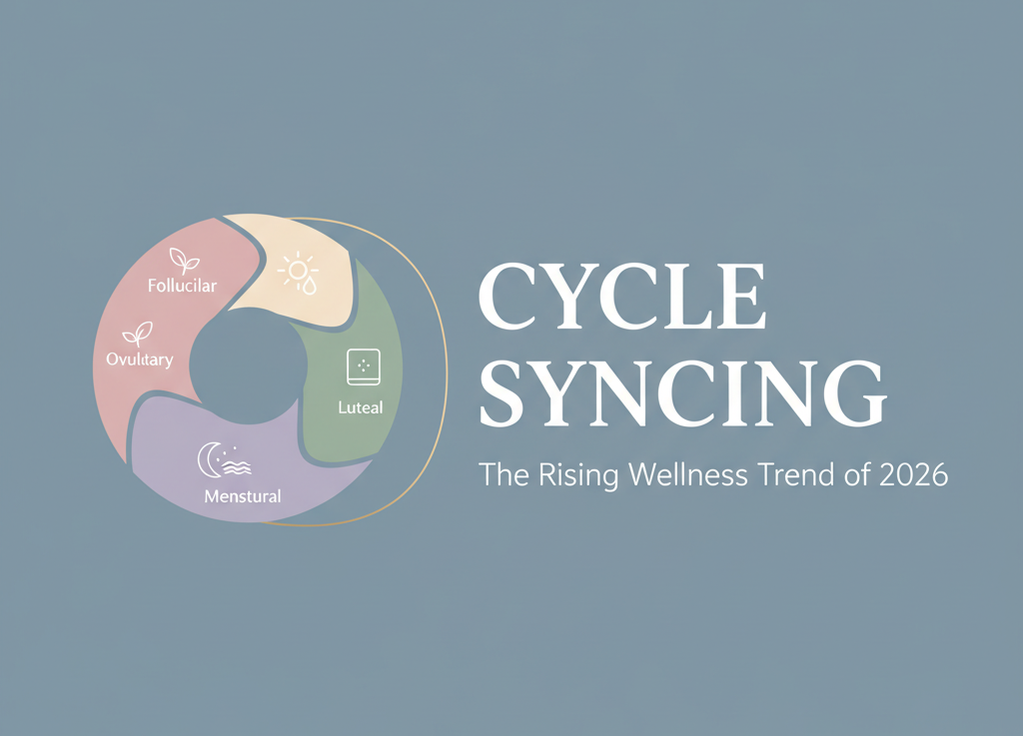
Cycle syncing is more than just a buzzword; it’s a lifestyle choice. The method hinges on the idea that a woman's hormonal cycle significantly impacts her energy levels, mood, and physical capabilities. By aligning activities with the four phases of the menstrual cycle—menstrual, follicular, ovulatory, and luteal—individuals can optimize their health and productivity.
For example, during the follicular phase, energy levels increase, making it an ideal time for high-intensity workouts and creative projects. Conversely, during the menstrual phase, the body often craves rest and reflection—perfect for lighter activities and self-care routines. This approach can lead to greater satisfaction in various aspects of life, from fitness to emotional well-being.
The Science Behind Cycle Syncing
While proponents of cycle syncing often share personal success stories, scientific research is slowly catching up. Studies suggest that hormonal fluctuations can influence everything from metabolism to mood, yet much of this research is still in its infancy. Experts like Dr. Anna Cabeca, a gynecologist and hormone expert, advocate for understanding the body's signals rather than relying solely on conventional health advice.
The trend has sparked interest among health professionals, leading to workshops and online courses dedicated to educating people about their cycles. As more individuals become aware of how their bodies function, the demand for cycle syncing resources continues to grow.
Real-Life Applications of Cycle Syncing
Implementing cycle syncing can take various forms, from meal planning to fitness routines. Nutrition plays a pivotal role in this strategy. During the luteal phase, for instance, cravings for carbohydrates may increase. Recognizing this, cycle syncing advocates suggest incorporating complex carbohydrates like sweet potatoes and whole grains to support mood and energy levels.
Fitness routines can also be tailored based on hormonal phases. High-intensity interval training (HIIT) is often recommended during the follicular phase, while gentler activities like yoga and walking may be more suitable during the menstrual phase. This tailored approach not only enhances results but also fosters a deeper connection with one’s body.
The Future of Cycle Syncing
As cycle syncing continues to rise in popularity, wellness brands and influencers are taking notice. Social media platforms are flooded with content around this trend, from meal plans to workout guides tailored to hormonal cycles. Apps that track menstrual cycles and provide personalized health insights are on the rise, making it easier for users to implement cycle syncing in their daily lives.
However, the trend isn't without its critics. Some experts caution against over-reliance on cycle syncing, emphasizing that everyone’s body is unique. Personal experimentation remains key. The most effective health strategies are those that consider individual differences and preferences.
Conclusion
Cycle syncing represents a significant shift in how we approach health and wellness. By honoring the body’s natural rhythms, individuals can cultivate a more intuitive and responsive lifestyle. As this trend gains momentum, it challenges the traditional notions of wellness, advocating for personalized approaches that resonate with each person's experience.
So, whether you’re a fitness enthusiast or just curious about aligning your lifestyle with your body, cycle syncing offers a refreshing perspective. Embrace your cycle, listen to your body, and discover the power of living in sync.