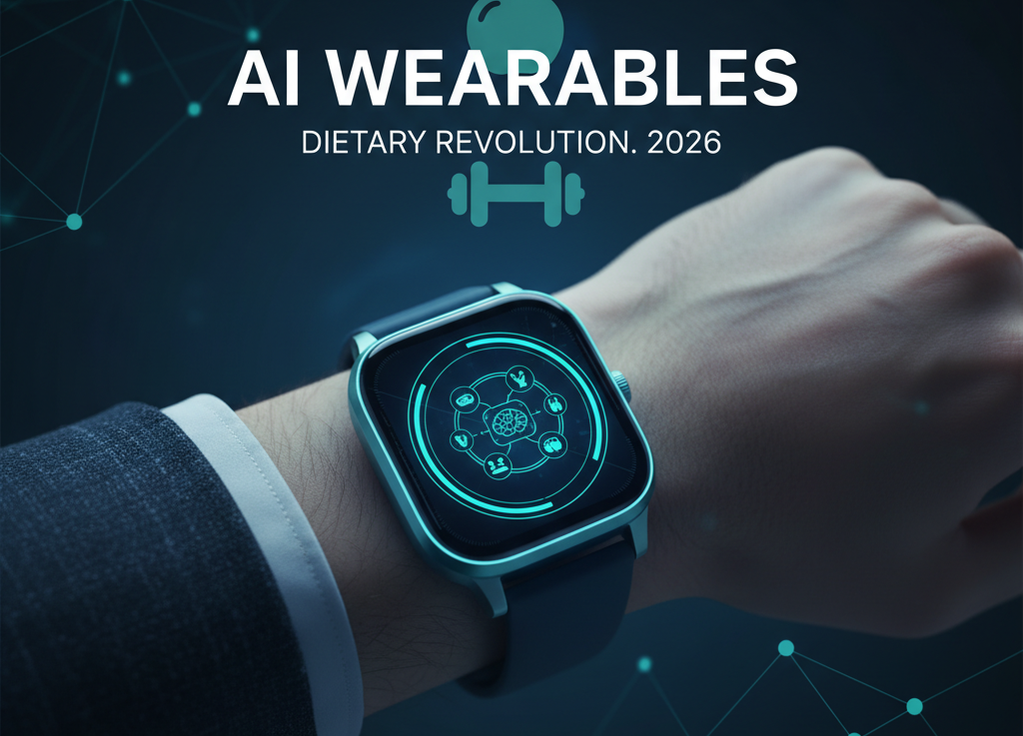
AI Wearables Revolutionizing Dietary Tracking in 2026
Sarah Lee
February 6, 2026
AI Wearables Revolutionizing Dietary Tracking in 2026
Imagine reaching for a snack and receiving an instant alert on your wrist reminding you of your daily calorie goals. This is just one example of how AI wearables are transforming dietary tracking in 2026, making nutrition management not only easier but also more precise.
Key Takeaways
- AI wearables provide real-time dietary feedback, helping users make healthier food choices on the fly.
- Advanced sensors in wearables track nutritional intake, exercise, and metabolic signals simultaneously.
- Users can access comprehensive dietary analytics through dedicated apps, offering insights into their eating habits.
- Integration with smart kitchen devices enables personalized meal suggestions based on dietary preferences and health goals.
- AI algorithms adapt recommendations over time, ensuring users receive tailored advice that evolves with their needs.
- Community features in apps allow for social sharing, support groups, and challenges, enhancing user engagement.
- Wearables have proven effective in promoting weight loss and better health outcomes through sustained user interaction.
The Rise of AI in Dietary Tracking
Artificial Intelligence has long been touted as a revolutionary force across various sectors, but its impact on dietary tracking is particularly striking. By 2026, AI wearables have evolved from simple fitness trackers to sophisticated dietary assistants. These devices not only monitor activity levels but also analyze eating habits, providing users with actionable insights in real-time.
Imagine wearing a device that can recognize the nutritional value of food while you eat. This capability is not far-fetched. Advanced sensors in today's wearables can analyze food composition and track caloric intake, eliminating guesswork. Users receive immediate feedback on their choices, allowing them to make informed decisions that align with their health goals.
Real-Time Feedback and Personalized Insights
Gone are the days of cumbersome food diaries. The wearables of 2026 offer seamless integration with smartphone apps, transforming dietary tracking into an effortless task. Users can log their meals simply by scanning barcodes or using voice commands. The AI algorithms then process this data, offering personalized insights and recommendations.
For instance, if a user consistently exceeds their daily sugar limit, the wearable can suggest healthier alternatives or notify them to opt for a fruit instead of a candy bar. This type of personalized feedback helps users stay accountable without feeling overwhelmed by strict dietary rules.
Integration with Smart Kitchen Technology
The evolution of dietary tracking also benefits from the rise of smart kitchen devices. By 2026, many AI wearables sync with smart refrigerators, ovens, and meal prep tools. This integration allows for a more cohesive approach to nutrition.
Picture this: your wearable notices you've logged a high-calorie lunch and suggests a lighter dinner option based on what’s available in your smart fridge. It can even send a recipe to your smart oven, preheating it while you prepare your meal. This level of convenience makes healthy eating more accessible and enjoyable.
Community Engagement and Support
Dietary tracking often feels like a solitary endeavor, but wearables in 2026 have incorporated community features to combat this. Users can connect with friends, join challenges, and share their progress. Support groups within the apps foster a sense of accountability and motivation, encouraging users to stick to their dietary goals.
Social sharing can often amplify individual efforts. Seeing friends succeed can inspire users to push through their own struggles. Wearables are no longer just about personal data; they have become social tools that enhance the overall experience of dietary tracking.
Continuous Adaptation and Learning
One of the most remarkable aspects of AI wearables is their ability to learn from user behavior. As individuals log their meals and activities, the AI algorithms adjust recommendations based on patterns and preferences. This continuous feedback loop ensures that users receive advice that is not only relevant but also dynamic.
For example, if a user’s activity level increases, the wearable might recommend higher calorie intake to support their energy needs. Conversely, if it detects a pattern of unhealthy snacking, it can suggest strategies to curb those habits. This level of adaptability keeps users engaged and invested in their health journey.
Conclusion
The dietary tracking landscape in 2026 is a testament to the power of technology in improving personal health. AI wearables have turned what was once a tedious task into a streamlined, interactive experience. By marrying real-time feedback with community support and continuous learning, these devices empower users to take control of their nutrition like never before.
As this technology continues to evolve, the challenge lies in maintaining balance. With all the data at our fingertips, it’s crucial to remember that achieving a healthy lifestyle is about more than numbers; it’s about making informed choices that contribute to our overall well-being. So, as you strap on your AI wearable, think of it not just as a device, but as a partner in your journey towards better health.